News
Market and company headlines
TLTAll
Loading
The same ETF can show two very different yield numbers on the exact same day, and the gap is not a mistake. Understanding why each number exists changes how you compare funds and estimate the income they will actually put in your pocket.
Economic uncertainty has increased on several fronts. That has made it even more difficult than before for the Fed to forecast the path of inflation and employment. Read more here...
The Fed will likely hold rates steady at the October 27-28 meeting, weighing inflation risks against an economy being reshaped by AI. Read more here...
Q2 â27 expected EPS growth rate for S&P 500 is just +3.6% as of this weekend, which would be the lowest quarterly growth rate for S&P 500 EPS since Q2 â23âs -2.8%. Q3, Q4 still look strong.

Rising oil prices and renewed AI concerns gave markets a risk-off tone this week. Read more here.

Is software the AI trade's "roadkill" and hardware its big winner? Alger's Dr. Ankur Crawford joins Dave Nadig from the ETF Oasis to decode the AI boom, from data center spending to Nvidia's bear case.
Washington borrows over a trillion dollars a year just to pay interest on what it already owes, and two of Wall Street's most powerful executives are warning the pressure on bond markets has not yet reached its peak.
With yields near the highest in 20 years, US stocks appear to have taken higher rates in stride. Large caps were only slightly lower in September. The resilience was due to strength in tech.
TLTâs sell-off is driven by real yields and uncertainty, not inflation expectations, with the term premium at its highest since 2010. Read why TLT ETF is a buy.

Investors are likely waiting on earnings for market direction. SpaceX posts its first quarterly profit.
Few things get investors' attention quite like a Fed rate hike. Rather than viewing every hike as a warning to pull back, history suggests investors may want to consider a different response
The S&P 500 edged modestly (-0.5%) lower, with robust results across the technology (+4.4%) sector offsetting widespread losses elsewhere across the benchmark. Read more here.

International and small-cap stocks attracted investors during a rocky week for markets. Here are the flows for Thursday, October 15th.
Nasdaq loses 4% on the week. WTI crude settles over $101 per barrel. Inflation worries climb but FedWatch tool stays steady

Persistent inflation is strengthening the case for further monetary tightening in both the United States and the euro area.

Inflation concerns, elevated oil prices and uncertainty over the Iran conflict are driving interest rates higher. Higher rates raise the bar for investing in broad data center expansion.
The AI infrastructure investment boom is sucking up capital globally, both debt and equity capital, with huge debt sales, share sales, fund raises, and IPOs.
In the Treasury market, the tripwire most often invoked is the yield beyond which lie monsters. Read more here.

Long-duration Treasuries have shed more than half their peak value, and retail investors keep loading up expecting a rate reversal that refuses to arrive. Whether that setup represents a generational opportunity or a duration trap comes down to one number moving in one direction.
US Treasury yields jump on higher real rates as US tech investment surges; Europe nears rate limits. Click for an updated market outlook.

TLT hit a record low as the 10-year Treasury yield reached 5.11%, driven by strong growth; analysts warn yields could climb to 6%.

The 10-year Treasury yield hit 5.11%, the highest since 2007. Ed Yardeni says a booming US economy is driving the bond selloff.

UK rates look too hawkish relative to Bank of England guidance and macro fundamentals. Read more here.
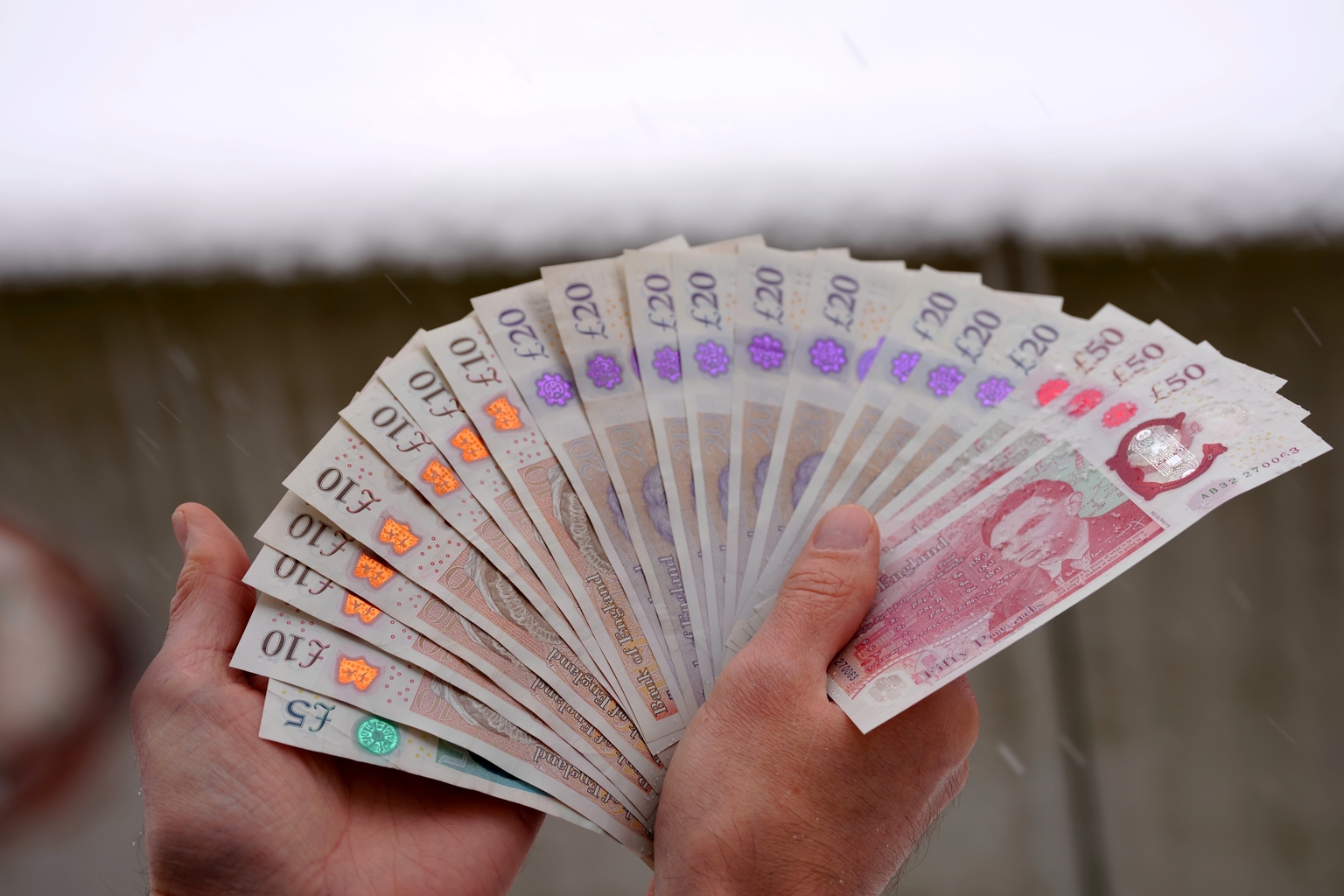
US large cap stocks extended their winning streak into a fifth straight month, with the S&P 500 gaining 2.7%. Read more here.

U.S. financial markets absorbed a heavy slate of economic data last week.

Long-duration Treasuries just endured a stretch of losses not seen since before World War II, and the wreckage has left a question hanging over every fixed-income portfolio: does historic pain signal the beginning of a historic opportunity?
Resilient earnings and continued AI investment have remained key supports for markets. Any pullback in profits, hyperscaler spending, or AI financing could be concerning. Read more here.

Importing economies face higher borrower risk premiums and supply-driven inflation, while exporters experience demand-driven inflation. Read more here.
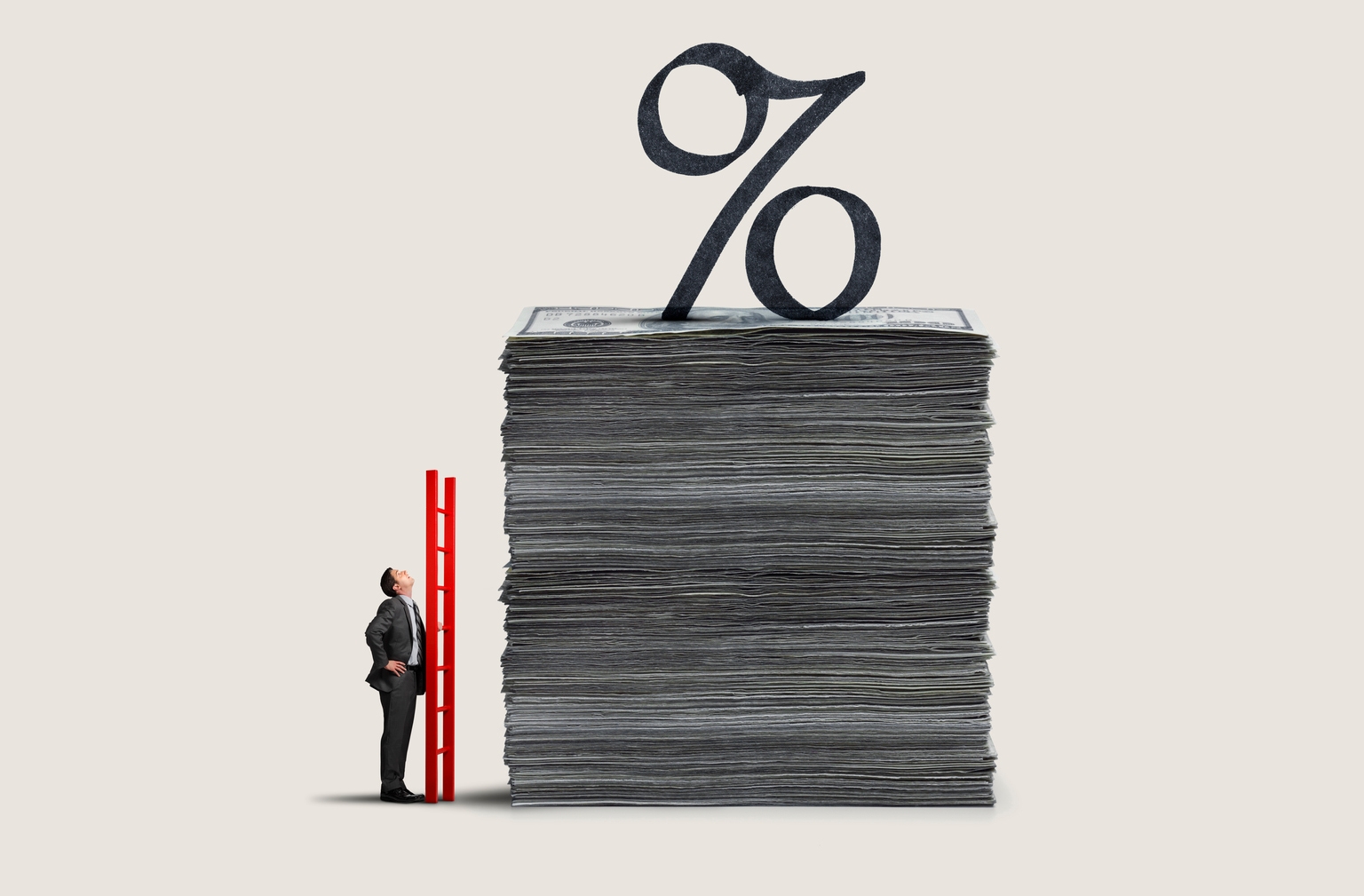
Federal Reserve signaling and Treasury buybacks triggered a sharp bear. Read why Bessent's and Warshâs actions have failed to staunch sustainably in the US.

If one group becomes wealthier, it doesnât necessarily follow that another group becomes poorer, but to avoid that outcome, growth is necessary. Read more here.

The August jobs report erased labor market weakness concerns, shifting all FOMC focus to inflation and the upcoming CPI print. Read more on the jobs report here.

August jobs surge and a flattening yield curve signal a âGoldilocksâ windowâsee why Tech/semis may lead, metals lag, and how to position through elections.

After idling in neutral for much of the summer, share prices took off in August and have notched impressive gains for much of the first few days of September as well. Read more here.

Markets always win in the end; artificial government manipulations are palliative measures that only exacerbate the problem and delay the inevitable. Read more here.

Private sector job growth (the only jobs that really count) exceeded expectations in August (+127K vs +50K), but the overall picture remains the same

Explore why the 2X Bitcoin ETF (BITX) is a tactical buyânot buy-and-hold.
The AI trade remains resilient, underpinned by strong earnings growth and reasonable valuations. Read why this makes pullbacks attractive buying opportunities.